

Raised between Hungary and Austria, editor‑turned‑cook Zsuzsanna Toth recently became joint head chef of The Pharmacy, one of Somerset's most talked-about kitchens. She spoke to us about learning through failure, trusting good tools, and why the final plate is only a postcard from a much longer journey.

Where it all started
Zsuzsanna Toth grew up moving between Hungary and Austria, between austere plates and outstanding produce. Both her grandmother and her mother were remarkable home cooks and bakers, so fuss-free tasty food felt like part of the architecture of her childhood—steady, trustworthy, unquestioned. "I think I took good home-cooked food as a child for granted; we very rarely went to restaurants," she says. When she looks back now, there are "quite a few" dishes from that time she can't quite explain and she has rarely tried to recreate them. The recipes and methods were intuitive, largely unwritten or passed on.
“Some memories are better kept where they were born.”
For almost a decade, her work lived on screens, writing about and editing other people's lives, creative output and experiences. At some point, an urge to stand up and leave the desk became impossible to ignore. She wanted to use her senses and hands as much as her mind. Cooking answered that urge.
"The short answer is: good sleep," she says about the point when she stopped doubting this path. "Using my hands whilst letting my mind wander instead of being tied to tabs was impactful. Satisfying. Close to people in a real space. Exhausting in a beautiful way. I know how controversial this sounds considering a lot of harshness in the industry in general, but I sleep better since I am a cook."


Learning something new rarely starts comfortably. For her, it meant "painfully stripping off layers of fear and doubt and letting go of outside perspectives." Her first loaves of bread, for example, were "horrendous"—many months and countless kilos of dough were sacrificed—but that kind of failure is also how techniques eventually became hers.


Things that last in the kitchen
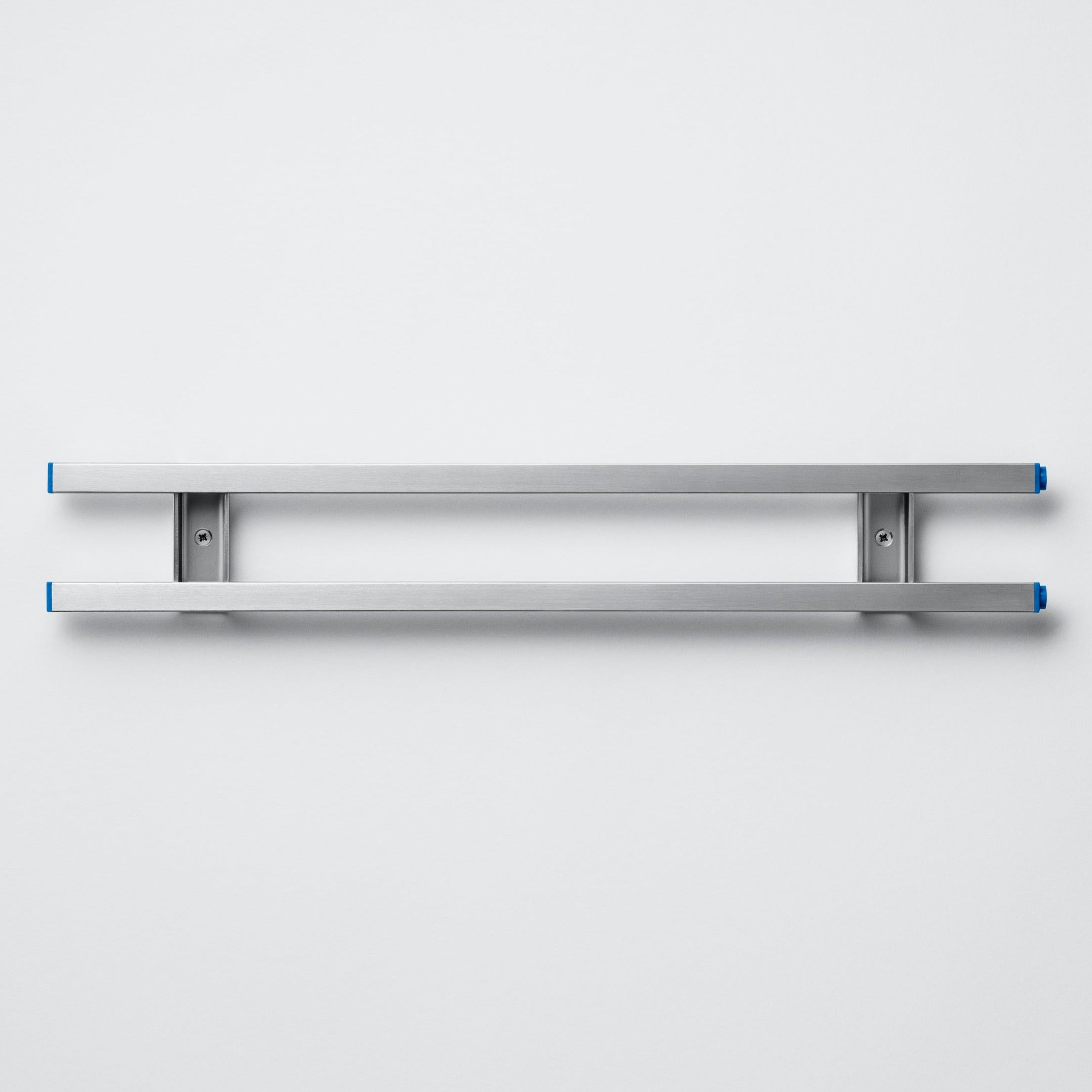
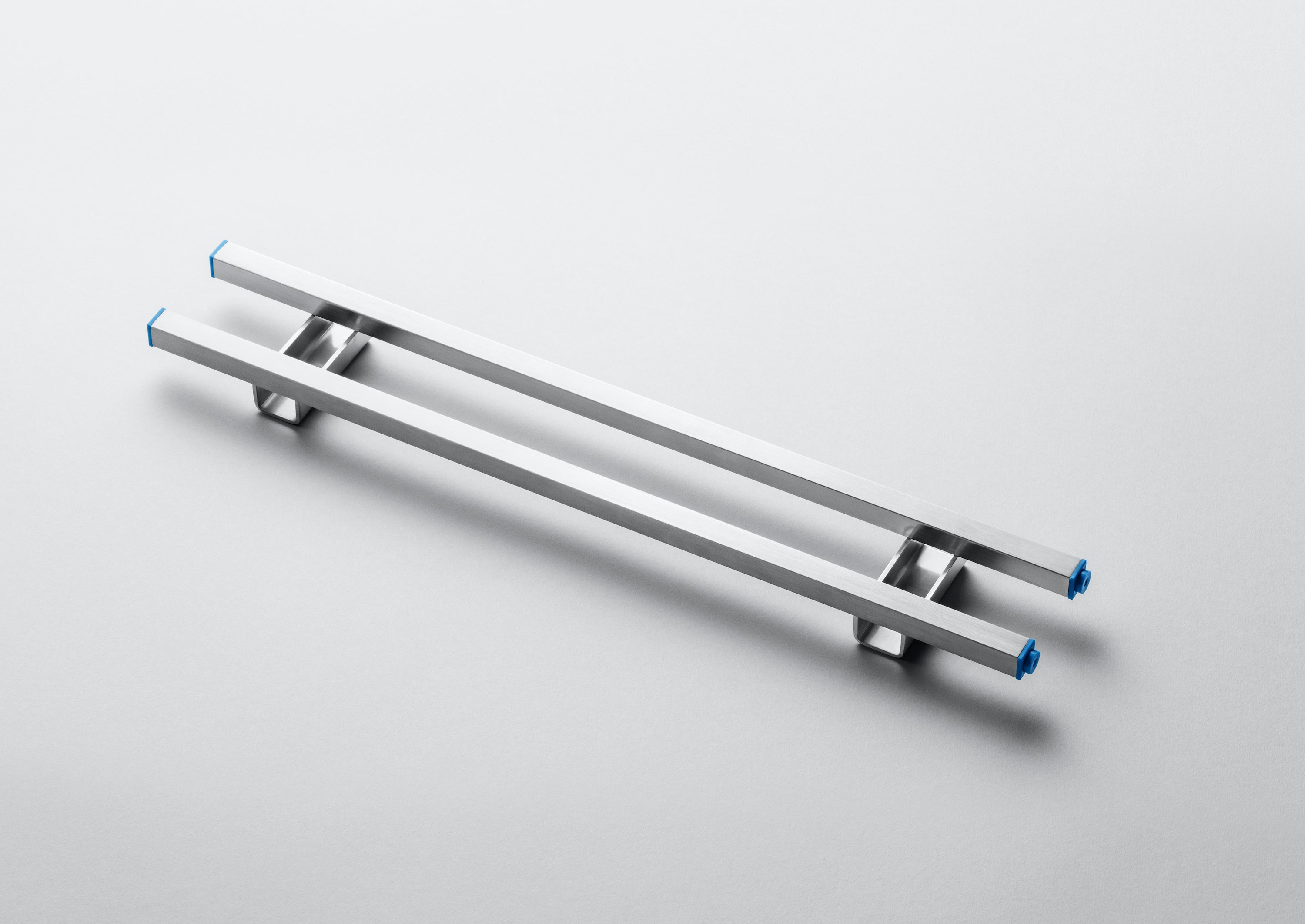
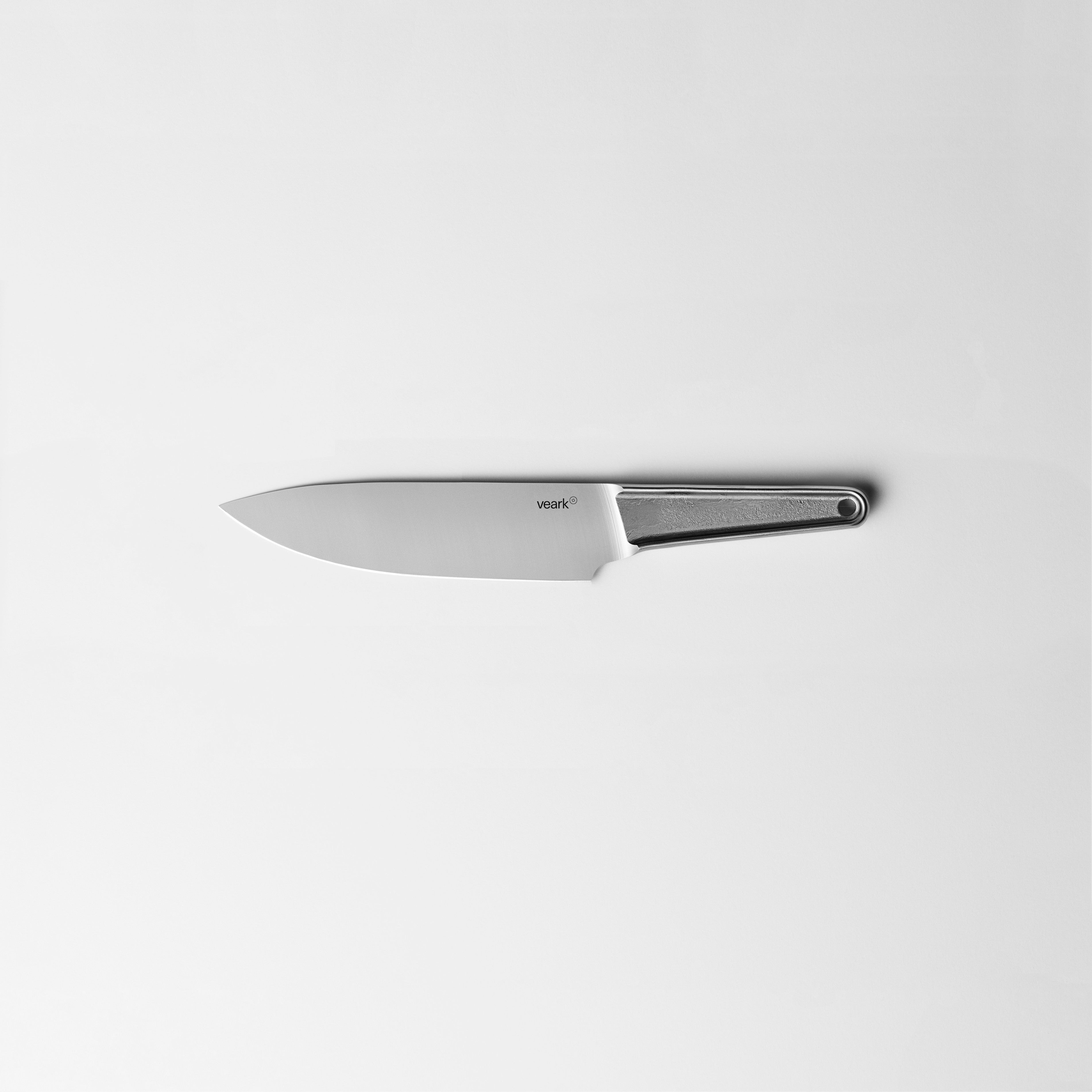
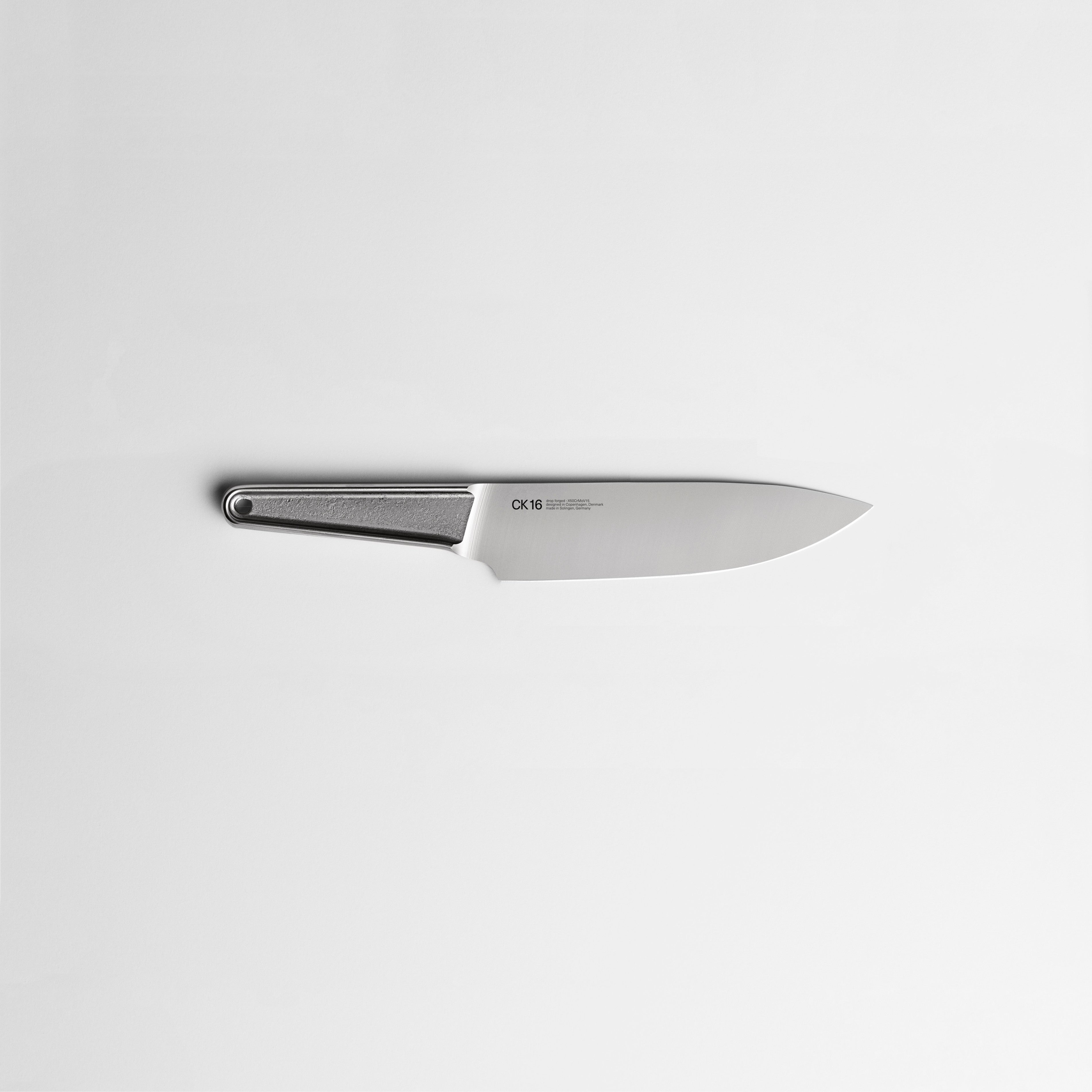
If she had to leave everything behind and take just one thing from the kitchen, it would be a pestle and mortar—aside from a good knife. A knife, she says, needs a bit of time to get to know your hands and vice versa: "If, after a week of use, it still feels like a challenging tool rather than a blessing, it probably won't make the cut."
“A good tool changes less how you think and more how you feel about a dish.”
She compares a finished plate to a postcard from a vacation. The guest receives only that postcard, but the cook has made a long emotional and physical journey. From sourcing ingredients from trusted people and places, to navigating errors and switching between tools. "If you choose them right, however, the kitchen tools will make the journey shorter and more memorable."
When working in different kitchens in various countries under challenging circumstances, knowing your tools are reliable makes even the most unfamiliar section much more comfortable. The fact that a dish exists for only a few minutes doesn't make her melancholic. "For us cooks, the final plate is really just the end of a long and ideally cheerful path, the one that is for me much more rewarding than the final, refined plate."


Away from service, her cooking looks simpler. Living in the countryside, she cooks for herself in a pared-back kitchen. Quite often that will result in cheese-and-pickle toasties, big green salads to reset her palate after rich tasting during service, anything involving eggs and rice, and, quite often, a bowl of porridge with jam in bed after service. "I have always loved breakfast for dinner. Why should the start of the night not deserve the same comfort as the start of the day?"
Photos and videos by Chris Abatzis & Tabea Dunemann